
Article
Choosing Working Capital Or Equipment Finance For Vehicles And Fit‑Outs
Clear rules to decide when to use working capital versus equipment or vehicle loans for tools, fit‑outs and gear, so you don’t strangle cashflow or your home‑loan plans.
Key Takeaway
Australian small businesses should usually fund vehicles, tools and fit‑outs with equipment or vehicle loans, not working capital, because overdrafts used long term erode cashflow resilience and home loan borrowing power. Working capital suits short, temporary gaps under 12 months, while asset finance should match the asset’s realistic life and lease or contract term. A clear rule is to keep total equipment and vehicle repayments within 15–25% of stable revenue and leave overdrafts to cover trading swings, not fixed assets.
Watch the short answer
Why using cash for tools and vehicles can hurt your business
If you’re weighing up cash, working capital or equipment finance, this video shows how funding vehicles and tools can protect cash flow.
Read the transcript
Stop using your liquid cash to buy tools, machinery, or work vehicles. When you drain your operating account to buy equipment outright, you look safe to your accountant, but you look highly illiquid to a mortgage underwriter. Use specialised asset finance to keep your cash in your business account where it preserves your personal borrowing. Keep your assets working and your cash liquid. DM me 'FLEET' to protect your cash flow.
General information only, not personal advice. Your situation is assessed before any recommendation.
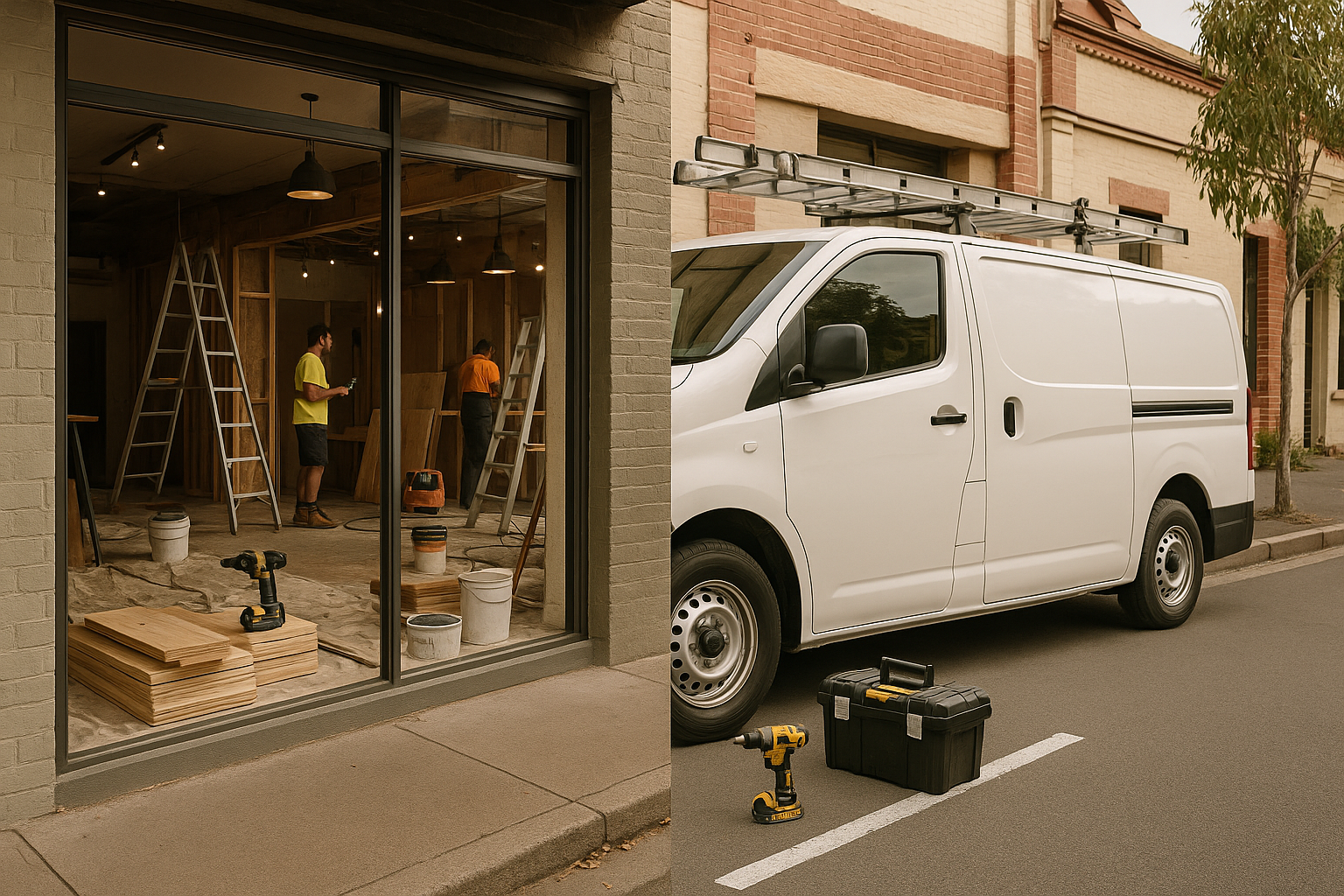
Most vehicles, tools and fit‑outs should be funded with equipment or vehicle finance, not working capital, because the asset will earn income for years but an overdraft is designed for short‑term swings. Use working capital only for temporary costs that clear within 6–12 months and asset finance for anything with a multi‑year useful life.
Here’s the simple test: if you’ll still be using it in 3 years, it probably belongs in an equipment or vehicle facility, not your overdraft.

Working capital vs equipment loans: what each is actually for
Working capital finance (overdrafts, invoice finance, short‑term lines) is built to smooth timing gaps in cashflow.
You use it when:
- Costs hit before income (stock, wages before debtor payments).
- The gap is short and repeatable (30–120 days).
- The balance should regularly clear or nearly clear.
For a deeper dive on limits, pricing and safe buffers, see Working Capital Basics: Structures, Costs And Safe Limits For SMEs.
Equipment and vehicle finance (chattel mortgage, commercial hire purchase, finance lease) is built to fund income‑producing assets over several years.
You use it when:
- The asset has a multi‑year life.
- It directly earns or saves money.
- You can match the term to the asset life and lease/contract horizon.
Australian banks and asset lenders will typically fund 3–7 years, with a balloon or residual shaped to the expected resale value.
The strategy continues below
You've seen the problem and the groundwork — now unlock the exact steps our CPA-certified brokers use, including 6 more sections. Enter your email for instant, free full access.
Free access. No spam — unsubscribe anytime. Your details stay confidential.
Frequently asked questions
Is it better to use an overdraft or equipment finance for a work vehicle?▾
Can I use working capital to fund my shop or café fit‑out?▾
How do I know if I’ve used my overdraft for the wrong things?▾
Request a strategy call
Confidential consultation with a triple-qualified advisor — commercial, SMSF, equipment and development finance.