
Article
Choosing Property‑Backed vs Unsecured Working Capital For Your Business
Clear, decision‑grade guide comparing property‑backed working capital to unsecured business loans for Australian small businesses, with cost, risk and flexibility trade‑offs you can act on this week.
Key Takeaway
This article explains when Australian small businesses should choose property‑backed working capital over unsecured business loans by comparing cost, risk, and flexibility. Property‑secured facilities often have rates several percentage points lower but materially increase concentration risk on the family home and cross‑default exposure. Unsecured loans carry higher rates and shorter terms yet cap downside and are usually quicker to obtain. The key actionable insight: match loan type to purpose and term, and protect conservative property LVRs rather than just chasing the lowest rate.
Watch the short answer
Why using cash for tools and vehicles can hurt your business
If you buy work gear outright, this clip explains how equipment finance can preserve both cash flow and borrowing power.
Read the transcript
Stop using your liquid cash to buy tools, machinery, or work vehicles. When you drain your operating account to buy equipment outright, you look safe to your accountant, but you look highly illiquid to a mortgage underwriter. Use specialised asset finance to keep your cash in your business account where it preserves your personal borrowing. Keep your assets working and your cash liquid. DM me 'FLEET' to protect your cash flow.
General information only, not personal advice. Your situation is assessed before any recommendation.

Property‑backed working capital is usually cheaper on the rate but riskier for your home, while unsecured business loans cost more but contain the damage if things go wrong. The right choice comes down to loan size, term, what you’re funding, and how much risk you’re willing to load onto your property.
In Australian practice, secured working capital means a business facility backed by residential or commercial property (often your home), whereas unsecured working capital relies on business cashflow and director guarantees, not a mortgage.
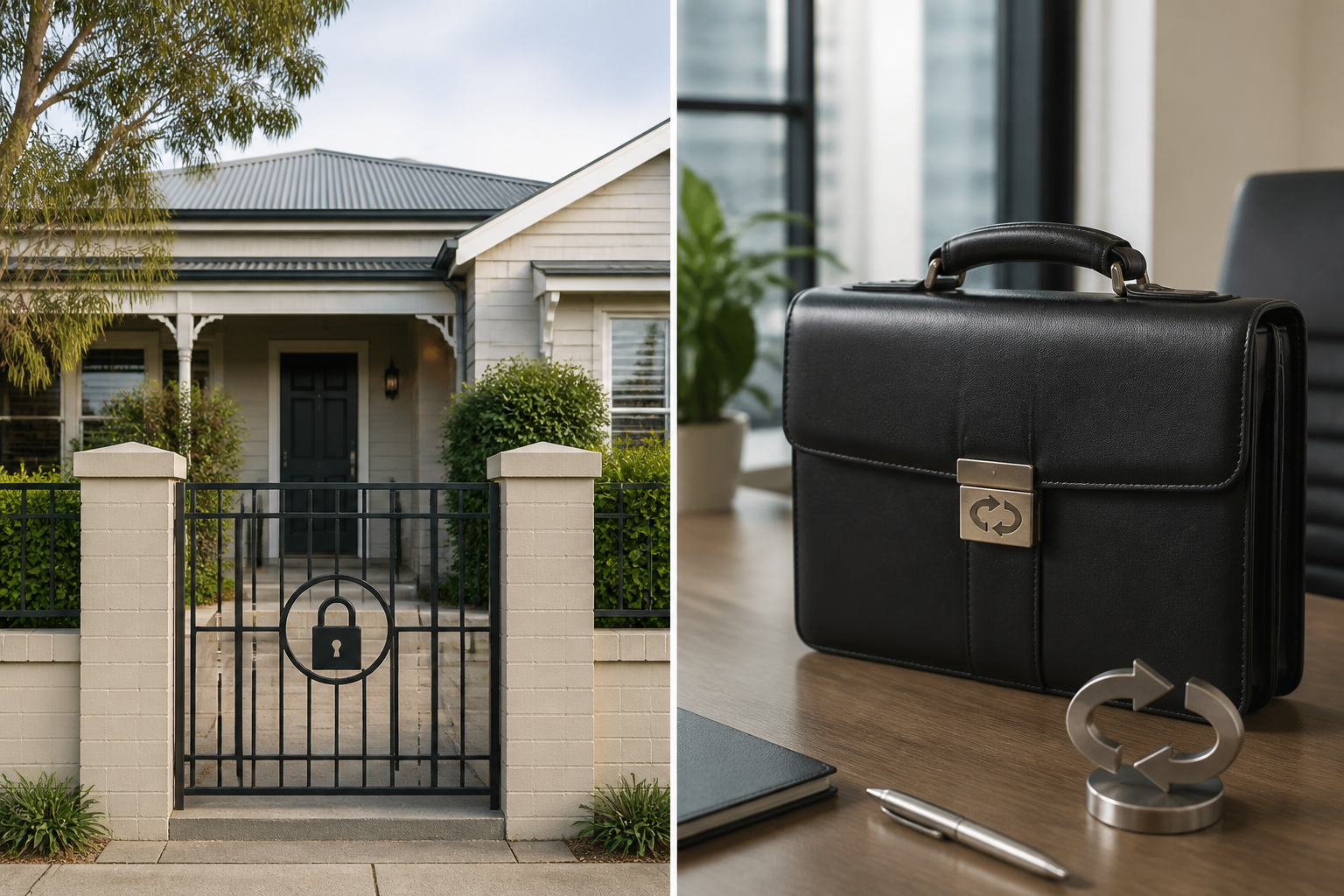
1. Cost: headline rate vs true cost
Property‑backed working capital will almost always show a lower interest rate than an unsecured SME loan.
Indicative ranges (not offers, just ballparks):
- Property‑secured business term / equity loan: often somewhere around home‑loan‑plus‑a‑margin.
- Unsecured business loan or cashflow facility: commonly several percentage points higher, especially for smaller amounts.
But headline rate isn’t the whole story.
Example (simplified):
- $200,000 need for stock and marketing.
- Option A – secure against home over 15 years at a lower rate.
- Option B – unsecured 4‑year term loan at a higher rate.
Over 15 years you’ll pay interest for an extra 11 years and keep that debt sitting against your home the whole time. Even with a lower rate, the total interest can be higher and your household risk is much greater.
As we covered in Working Capital Basics: Structures, Costs And Safe Limits For SMEs, short‑term needs should usually be met with short‑term facilities.
What pushes cost up in practice
- Mismatched term – using a 10–25 year property facility for a 3‑year problem inflates interest costs.
- Fees and break costs – unsecured loans can have higher fees; property loans can carry discharge and legal costs.
- Rate creep – unsecured rates may step up after an intro period; property‑backed lines can quietly extend as interest‑only.
The strategy continues below
You've seen the problem and the groundwork — now unlock the exact steps our CPA-certified brokers use, including 4 more sections. Enter your email for instant, free full access.
Free access. No spam — unsubscribe anytime. Your details stay confidential.
Frequently asked questions
Is a property‑backed working capital loan always cheaper overall than an unsecured loan?▾
When does it make sense to use my home as security for working capital?▾
Will unsecured business loans hurt my chances of getting a home loan later?▾
Request a strategy call
Confidential consultation with a triple-qualified advisor — commercial, SMSF, equipment and development finance.